
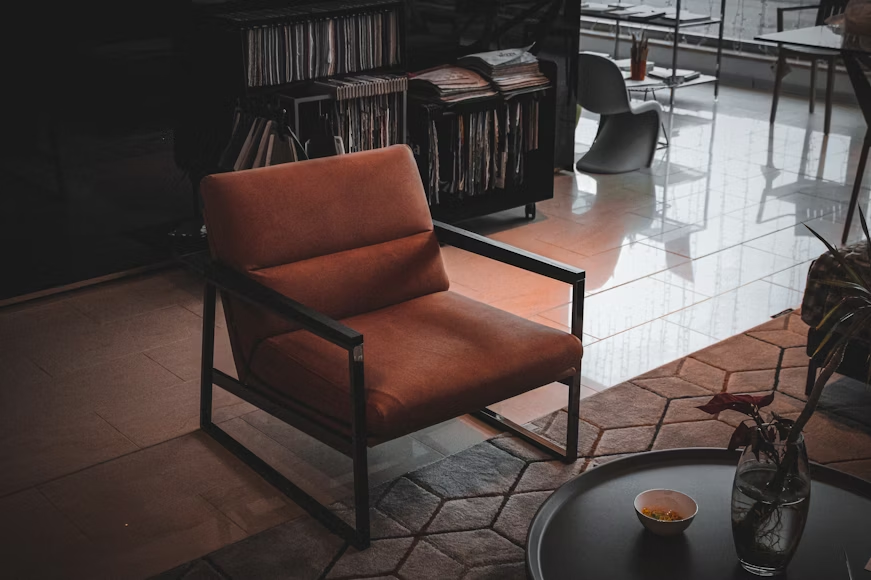
Creating spaces of tranquility that honor both halacha and human dignity
Mikvah design transcends mere functionality it’s about crafting an environment where physical preparation meets spiritual elevation. Every bench, hook, and shelf must balance steam-resistant durability with soul-nurturing serenity. Here’s how to design mikvah furniture that honors this sacred threshold.
"The mikvah isn’t a locker room—it’s a sanctuary of transition."
Avoid: Harsh angles, clinical aesthetics, or overcrowded spaces.
MaterialBest ForAvoidTeak/White OakBenches, shelves (naturally water-resistant)Pine, MDF (warps)Marble/QuartzCountertops (cool touch, stain-proof)Porous stone (traps moisture)Marine-Grade PolymerHooks, racks (rust-proof)Basic metals (corrodes)Linen-Look VinylUpholstery (mildew-resistant)Cotton, silk (retains dampness)
Pro Tip: Coat all wood with marine-grade epoxy—even sinksplash zones!
Color Palette Guidance:
Mikvah StyleTile ColorsFurniture FinishSpa-ModernSea glass, ivoryBleached oak + brushed nickelClassicalNavy, gold veiningDark walnut + antique brassEarth SanctuaryTerracotta, sageBamboo + matte black iron
Lighting Tip: Install dimmable LEDs behind crown molding—never harsh overhead lights.
Mikvah furniture must withstand steam, splashes, and decades of use—but its true test is whether it helps souls shed the mundane and touch the divine. When every hook holds a robe with dignity and every bench supports quiet reflection, you’ve built more than furniture: you’ve built a mikdash me’at (miniature sanctuary).
